
Is Tooth Extraction Painful? What Dentistry Says
If your dentist has recommended a tooth extraction, one of the first questions that likely comes to mind is, “Is it going to hurt?” It’s a completely natural concern. After all, dental procedures can feel intimidating, especially when they involve removing a tooth.
The good news? Thanks to modern advancements in dentistry, tooth extraction today is far more comfortable and manageable than most people expect. In this guide, we’ll walk you through what really happens during a tooth extraction, how pain is controlled, and what you can expect before, during, and after the procedure, just like a trusted tooth extraction dentist would explain to their patients.
Understanding Tooth Extraction: When and Why It’s Needed
A tooth extraction is the removal of a tooth from its socket in the bone. While dentists always aim to save natural teeth whenever possible, extraction is sometimes the best option for your overall oral health.
Common Reasons for Tooth Extraction
- Severe tooth decay or infection
- Advanced gum disease
- Impacted wisdom teeth
- Overcrowding (especially before orthodontic treatment)
- Cracked or broken teeth beyond repair
An experienced tooth extraction dentist in Houston, TX, will always evaluate your situation carefully and recommend extraction only when it’s truly necessary.
So, Is Tooth Extraction Painful?
Let’s address the main concern directly: No, the procedure itself is not painful.
Modern dentistry focuses heavily on patient comfort and pain management. During a tooth extraction, your dentist will use local anesthesia to completely numb the area around the tooth. This means you may feel pressure, but you shouldn’t feel pain.
What You Might Feel During the Procedure
- Gentle pressure as the tooth is loosened
- Slight movement or pushing sensation
- No sharp pain
For patients with dental anxiety, many clinics also offer sedation options to help you feel calm and relaxed throughout the procedure.
Pain Management: How Dentists Keep You Comfortable
A skilled tooth extraction dentist in Houston, TX, uses a combination of techniques to ensure a smooth and comfortable experience.
Local Anesthesia
This numbs the nerves around the tooth, blocking pain signals completely.
Sedation Options
Depending on your comfort level, your dentist may recommend the following:
- Oral sedation (a pill taken before the procedure)
- Nitrous oxide (laughing gas)
- IV sedation for more complex cases
Gentle Techniques
Modern tools and techniques allow dentists to perform extractions with minimal trauma to surrounding tissues, which helps reduce discomfort during and after the procedure.
What About Pain After a Tooth Extraction?
While the procedure itself is painless, it’s normal to experience mild discomfort after the anesthesia wears off. The good news is that this is usually temporary and manageable.
Common Post-Extraction Symptoms
- Mild soreness or tenderness
- Slight swelling
- Minor bleeding
Most patients find that the discomfort is less than expected and improves significantly within a few days.
Tips to Manage Pain After Tooth Extraction
Proper aftercare plays a big role in how quickly and comfortably you recover.
Immediate Aftercare (First 24 Hours)
- Bite down on gauze to control bleeding
- Avoid rinsing or spitting forcefully
- Rest and avoid strenuous activity
Pain Relief Tips
- Take prescribed or over-the-counter pain medication
- Apply an ice pack to reduce swelling
- Keep your head elevated while resting
Foods to Eat
Stick to soft, easy-to-eat foods like:
- Yogurt
- Mashed potatoes
- Smoothies
- Soup (lukewarm, not hot)
Following these steps, as recommended by your tooth extraction dentist in Houston, TX, can make a big difference in your recovery experience.
What Is a Dry Socket and Does It Hurt?
One of the most talked-about complications after a tooth extraction is dry socket. While it’s relatively uncommon, it’s important to understand.
What Is Dry Socket?
It occurs when the blood clot at the extraction site is dislodged or doesn’t form properly, exposing the underlying bone.
Symptoms of Dry Socket
- Intense pain a few days after extraction
- Bad breath or unpleasant taste
- Visible bone in the socket
How to Prevent It
- Avoid smoking or using straws
- Follow your dentist’s aftercare instructions carefully
- Maintain good oral hygiene
If you suspect dry socket, contact your tooth extraction dentist in Houston, TX, immediately for treatment.
How Long Does It Take to Heal?
Healing times can vary depending on the complexity of the extraction and your overall health.
General Timeline
- First 24–48 hours: Initial healing and clot formation
- 3–5 days: Reduced swelling and discomfort
- 1–2 weeks: Gum tissue heals
- Several weeks: Full healing of the bone
Most people return to normal activities within a few days.
The Role of Experience: Why Choosing the Right Dentist Matters
When it comes to procedures like tooth extraction, experience and expertise make all the difference.
A qualified tooth extraction dentist in Houston, TX, ensures the following:
- Accurate diagnosis and planning
- Gentle, precise techniques
- Effective pain management
- Clear aftercare guidance
This level of care builds trust and confidence, making your dental experience far less stressful.
The idea of a tooth extraction can feel overwhelming, but modern dentistry has made the process safe, efficient, and surprisingly comfortable.
With proper care, guidance, and support from a skilled tooth extraction dentist in Houston, TX, you can go through the procedure with confidence and recover quickly with minimal discomfort.
Remember, delaying necessary treatment can lead to bigger problems. Taking action now is the best step toward protecting your oral health.
Frequently Asked Questions (FAQs)
Does tooth extraction hurt without anesthesia?
Yes, it would, but dentists always use anesthesia to ensure a pain-free procedure.
How long does the pain last after extraction?
Mild discomfort typically lasts 2-3 days and gradually improves.
Can I go to work after a tooth extraction?
It depends on the procedure. Many patients return to normal activities the next day.
What should I avoid after a tooth extraction?
Avoid smoking, drinking through a straw, and eating hard or crunchy foods.
When should I see my dentist after the procedure?
Follow-up visits are usually scheduled within a week, or sooner if you experience unusual pain or swelling.
Ready to take the next step toward a healthier, pain-free smile?
Schedule Your Tooth Extraction Consultation Today
Connect with a trusted tooth extraction dentist in Houston, TX, and get personalized care designed for your comfort and long-term oral health.
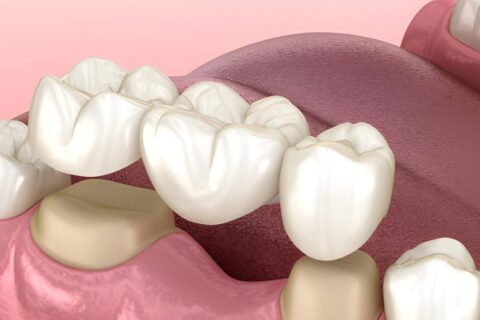
A confident smile can change the way you feel about yourself and the way others see you. But when you’re dealing with missing teeth, even simple…

A bright, white smile can transform the way you look and feel. Whether you’ve recently had a professional teeth whitening treatment or are planning…