
Tooth Extractions: What to Expect, How They’re Done, and Why They Matter
Tooth extractions are a common dental procedure, yet many patients feel anxious about them. Whether a tooth is damaged, decayed, or causing overcrowding, removal may be necessary to protect your oral health. A tooth extraction involves carefully removing a tooth from its socket in the jaw.
Dentists perform extractions for a variety of reasons. With modern techniques and careful planning, the procedure is generally safe, efficient, and as comfortable as possible. Understanding why a tooth needs to be removed, what to expect during the procedure, and how to care for your mouth afterward can make the experience less stressful and ensure a smooth recovery.
Why Tooth Extractions Are Needed
Dentists may recommend tooth extractions for several reasons:
- Severe decay that cannot be repaired with a filling or crown
- An infection that threatens the surrounding teeth or bone
- Overcrowding in the mouth often occurs before orthodontic treatment
- Impacted teeth, such as wisdom teeth that do not emerge properly
- Trauma or injury that has damaged the tooth beyond repair
- Periodontal disease that has weakened the supporting bone and gums
Early intervention helps prevent complications such as infection, misalignment, or damage to adjacent teeth.
Types of Tooth Extractions
There are two main types of tooth extractions:
- Simple Extractions: Simple extractions are performed on teeth that are visible in the mouth and can be removed easily. Local anesthesia is used to numb the area, ensuring minimal discomfort. The dentist loosens the tooth and removes it with specialized instruments.
- Surgical Extractions: Surgical extractions are required when a tooth is broken, impacted, or not easily accessible. This procedure may involve making a small incision in the gum to remove the tooth and may require stitches. Surgical extractions are often used for impacted wisdom teeth.
How Dentists Help During Tooth Extractions
Dentists play a vital role in ensuring tooth extractions are safe, efficient, and as comfortable as possible. Their expertise helps reduce stress, prevent complications, and support proper healing.
- Assessment and Planning: Dentists evaluate the tooth and surrounding area, often using X-rays to check the root structure and bone health. They determine whether a simple or surgical extraction is necessary and discuss all available options with the patient.
- Pain and Anxiety Management: Dentists provide anesthesia to numb the area, and in certain cases, sedation or general anesthesia is offered for patients with anxiety or complex extractions.
- Procedure Execution: Using specialized tools and precise techniques, dentists carefully remove the tooth while protecting the surrounding tissue. In surgical extractions, they make small incisions if necessary and ensure stitches or other measures are applied to support healing.
- Post-Extraction Guidance: Dentists give clear instructions for aftercare, including managing pain, reducing swelling, and maintaining oral hygiene. They also schedule follow-up visits to monitor healing and address any complications early.
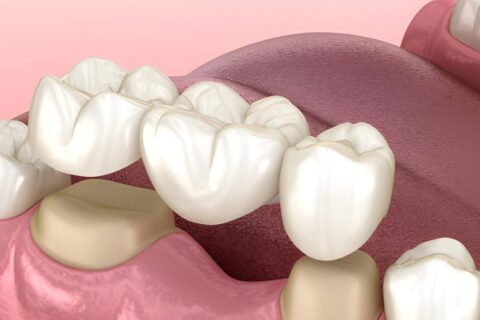
- Replacement Planning: When necessary, dentists discuss options for replacing extracted teeth, such as dental bridges, implants, or partial dentures. This helps prevent shifting of adjacent teeth and maintains long-term oral function.
The Tooth Extraction Procedure
- Examination and Planning Your dentist examines the tooth and the surrounding area, often using X-rays. A careful plan is developed to ensure safe removal.
- Anesthesia Local anesthesia is applied to numb the area. Sedation or general anesthesia may be used for anxious patients or complex extractions.
- Tooth Removal For a simple extraction, the dentist loosens the tooth and removes it. For surgical cases, an incision may be made and the tooth removed in sections if needed.
- Post-Extraction Care After removal, gauze is applied to control bleeding, and instructions are given to promote healing and reduce discomfort.
Frequently Asked Questions
Q: How Painful Is a Tooth Extraction
A: With anesthesia, most patients feel little to no pain during the procedure. Some pressure may be felt, particularly during surgical extractions.
Q: How Long Does It Take to Heal
A: Initial healing typically occurs within 1 to 2 weeks. Complete healing of the extraction site may take several weeks. Following aftercare instructions ensures a smoother recovery.
Q: Can I Eat Normally After an Extraction
A: Soft foods are recommended for the first few days. Gradually return to normal foods as the extraction site heals.
Q: Will I Need a Replacement Tooth
A: Depending on the location, your dentist may recommend a bridge, an implant, or a partial denture to prevent the shifting of adjacent teeth and maintain function.
Maintaining Oral Health After Tooth Extractions
After a tooth extraction, maintaining oral health is essential. Brush and floss carefully around the healing site, attend regular dental check-ups, and consider options for replacing missing teeth if needed. Healthy habits, combined with professional guidance from an Oral Surgeon in Houston, TX, ensure your smile remains strong and functional.
Tooth extractions are a common but important part of dental care. They relieve pain, prevent infections, and support overall oral health. With careful planning, proper anesthesia, precise techniques, and follow-up guidance from the best dentist, patients can recover smoothly and maintain a healthy, confident smile.

If your dentist has recommended a tooth extraction, one of the first questions that likely comes to mind is, “Is it going to hurt?” It’s a…
A confident smile can change the way you feel about yourself and the way others see you. But when you’re dealing with missing teeth, even simple…