How Periodontal Surgery Saves Teeth from Gum Disease
Gum disease is one of the leading causes of tooth loss, yet many people don’t realize how serious it can become. What often starts as mild gum inflammation can slowly progress into a condition that damages the bone and tissues that support your teeth. When this happens, brushing and deep cleanings alone may no longer be enough. That’s when periodontal surgery becomes a powerful tool for saving natural teeth.
Periodontal surgery is not about removing teeth – it’s about protecting them. With today’s advanced techniques, gum surgery can stop the spread of infection, repair damaged tissue, and help preserve your smile for years to come.
Let’s explore how periodontal surgery works and why it plays such an important role in treating advanced gum disease.
Understanding Gum Disease
Gum disease, also called periodontal disease, develops when bacteria in plaque build up along and below the gumline. In the early stage, known as gingivitis, gums may become red, swollen, and bleed when you brush. At this point, the damage can often be reversed with professional cleanings and good oral care.
When gum disease is not treated, it progresses into periodontitis. This more serious stage affects the deeper tissues and bone that hold teeth in place. Pockets form between the gums and teeth, allowing bacteria to spread. Over time, this can lead to bone loss, loose teeth, and eventually tooth loss.
Once gum disease reaches this stage, periodontal surgery may be the best way to stop further damage and save your natural teeth.
What Is Periodontal Surgery?
Periodontal surgery is a group of procedures designed to treat advanced gum disease and restore the health of the gums and bone. The goal is to remove infection, reduce deep pockets around teeth, and repair damaged tissue so teeth can remain stable and functional.
These procedures are performed with precision and care, often using modern tools that make treatment more comfortable and effective than in the past.
Why Gum Disease Threatens Your Teeth
Your teeth rely on the surrounding gums and jawbone for support. When gum disease destroys this foundation, even healthy-looking teeth can become loose or fall out. The bacteria that cause gum disease also trigger the body’s immune response, which can lead to the breakdown of bone around the teeth.
Periodontal surgery helps by stopping the infection at its source and giving the gums and bone a chance to heal. This allows your teeth to remain in place rather than being lost to ongoing damage.
How Periodontal Surgery Saves Teeth
Periodontal surgery helps save teeth in several important ways.
1. Removing Infection
Deep pockets around teeth trap bacteria that cannot be removed with brushing or deep cleaning alone. Surgery allows the dentist to access these areas and remove infected tissue and bacteria, creating a healthier environment for healing.
2. Reducing Gum Pockets
When gum pockets become too deep, they allow bacteria to thrive. Surgery reshapes the gums so they fit more tightly around the teeth, making it easier to keep the area clean and prevent future infections.
3. Repairing Bone and Tissue
In many cases, bone grafts or tissue grafts can be used during periodontal surgery to rebuild areas damaged by gum disease. This restores support for the teeth and helps prevent further bone loss.
4. Stabilizing Teeth
By treating infection and rebuilding the supporting structures, periodontal surgery helps keep teeth stable and in place, reducing the risk of tooth loss.
Common Types of Periodontal Surgery
Different types of gum surgery are used depending on the severity of the disease.
Flap Surgery
This is one of the most common procedures. The gums are gently lifted back so the dentist can clean the roots of the teeth and remove bacteria from deep pockets. The gums are then placed back in a healthier position.
Bone Grafting
If bone has been lost due to gum disease, bone grafts can be placed to encourage new bone growth. This helps strengthen the support around the teeth.
Gum Grafting
When gums recede, they leave roots exposed and vulnerable. Gum grafting covers these areas, protecting the teeth and improving appearance.
Guided Tissue Regeneration
This technique encourages the body to regrow bone and tissue that were destroyed by gum disease, helping to restore natural support for the teeth.
What to Expect During the Procedure
Periodontal surgery is usually performed with local anesthesia to keep you comfortable. The procedure may take one or more visits, depending on the extent of treatment needed.
After the surgery, you may experience some swelling or tenderness, which typically improves within a few days. A dentist will provide instructions to help ensure proper healing.
Recovery and Healing
Healing is an important part of periodontal surgery. During the first few weeks, your gums and bone begin to repair themselves. Eating soft foods, avoiding smoking, and following oral care instructions will help promote healing.
Most people return to their normal routine within a short time, but full healing may take a few months as tissues continue to strengthen.
Long-Term Benefits of Periodontal Surgery
The benefits of periodontal surgery go far beyond immediate treatment. By stopping gum disease, the procedure helps prevent future bone loss, reduces the risk of tooth loss, and improves overall oral health.
Healthy gums also make it easier to keep your teeth clean, reducing the chance of future infections.
Frequently Asked Questions
Is periodontal surgery painful?
Most patients report only mild discomfort. Local anesthesia keeps you comfortable during the procedure, and any soreness afterward can usually be managed with medication.
How long does it take to heal after gum surgery?
Initial healing usually takes a few weeks, but full healing of the gums and bone can take several months.
Can periodontal surgery really save teeth?
Yes. When performed early enough, periodontal surgery can stop gum disease and help preserve teeth that might otherwise be lost.
Will I need surgery again in the future?
Maintaining good oral hygiene and attending regular dental visits can greatly reduce the need for future surgery.
Is gum surgery safe?
Yes. Periodontal surgery is a well-established and safe procedure when performed by trained professionals.
Protecting Your Smile
Periodontal surgery offers a powerful way to fight gum disease and save natural teeth. With proper care and professional treatment, it is possible to stop the damage and enjoy a healthier, more confident smile for years to come.
If you’ve been told you have advanced gum disease, periodontal surgery could be the key to protecting your teeth and restoring your oral health.
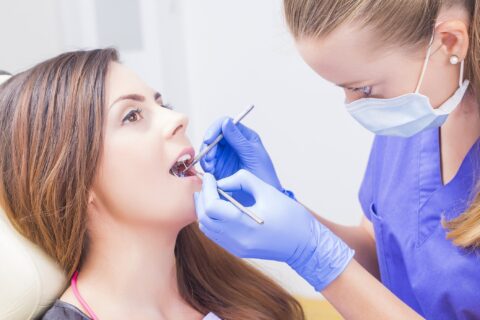
If your dentist has recommended a tooth extraction, one of the first questions that likely comes to mind is, “Is it going to hurt?” It’s a…
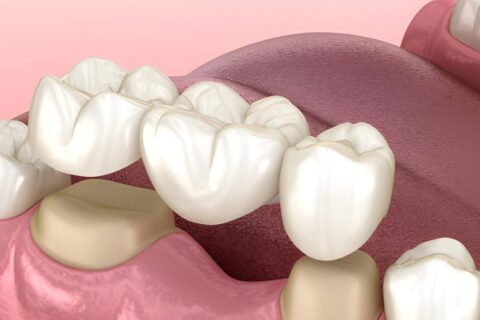
A confident smile can change the way you feel about yourself and the way others see you. But when you’re dealing with missing teeth, even simple…