
Dental Crowns: Protecting and Restoring Your Teeth
A strong, healthy smile is more than just cosmetic. It helps you chew, speak, and maintain overall oral health. When a tooth becomes damaged from decay, cracks, or wear, dental crown treatment can restore both its function and appearance. Crowns are protective coverings that fit over damaged teeth, allowing them to look natural and perform normally.
Dentists use crowns to preserve teeth that might otherwise require extraction. Modern crowns are durable, comfortable, and visually natural, giving patients both functional and aesthetic benefits.
What Are Dental Crowns
A dental crown is a cap that encases a damaged tooth, restoring its shape, size, strength, and appearance. Crowns can be made from porcelain, ceramic, metal, or a combination of materials, depending on the patient’s needs.
Crowns serve multiple purposes. They protect weak or cracked teeth, restore broken or worn teeth, cover teeth with large fillings, support dental bridges, and improve the appearance of discolored or misshapen teeth.
Why You Might Need a Dental Crown
Dentists typically recommend crowns for patients with:
- Severe tooth decay that cannot be fixed with a simple filling
- Cracked, broken, or worn teeth
- Teeth that have undergone root canal treatment
- Large fillings that weaken the remaining tooth structure
- Misshapen or discolored teeth affecting appearance
Crowns help restore a tooth’s function while preventing further damage. They can also improve your smile, giving you confidence in both appearance and dental health.
Types of Dental Crowns
There are several types of crowns, each with its own benefits:
| Type | Best Use | Benefits |
|---|---|---|
| Porcelain | Front teeth | Looks like natural teeth, color-matched to surrounding teeth |
| Ceramic | Front or back teeth | Biocompatible, strong, metal-free |
| Metal | Back teeth | Extremely durable, withstands heavy chewing forces |
| Porcelain-Fused-to-Metal | Front or back teeth | Combines strength and natural appearance |
Your dentist will recommend the best type based on tooth location, function, and aesthetic needs.
The Dental Crown Procedure
Getting a dental crown usually requires two visits. During the first visit, the dentist examines and prepares the tooth. Any decay or damaged areas are removed, and the tooth is shaped so the crown will fit properly.
An impression of the tooth is taken and sent to a dental laboratory to create a custom crown. A temporary crown is placed to protect the tooth while the permanent crown is made.
During the second visit, the temporary crown is removed, and the permanent crown is fitted over the tooth. The dentist makes adjustments to ensure proper bite and comfort before cementing it into place.
How to Care for a Dental Crown
Crowns require the same care as natural teeth. Brushing twice a day, flossing once a day, and attending regular dental check-ups are essential to keep both the crown and surrounding teeth healthy. Avoid chewing on hard objects such as ice or hard candies that could damage the crown.
Monitor for any sensitivity or discomfort around the crowned tooth. Contact your dental office promptly if any issues arise to prevent further problems.
Frequently Asked Questions
Q: How long does a crown last
A: With proper care, a dental crown can last 10 to 20 years. Its lifespan depends on the material used, oral hygiene, and habits like grinding teeth or chewing hard foods. Regular dental visits help detect issues early and extend the crown’s life.
Q: Will a crown feel natural
A: A well-fitted crown should feel like a natural tooth. There may be a slight adjustment period for a few days, but most patients quickly feel comfortable using it for chewing and speaking.
Q: Can crowns get cavities?
A: The tooth beneath a crown cannot develop cavities, but decay can occur at the edges where the crown meets the natural tooth if hygiene is neglected. Brushing, flossing, and routine dental visits help prevent this.
Q: Are crowns noticeable
A: Modern crowns are designed to blend seamlessly with surrounding teeth. When placed properly, they are virtually indistinguishable and maintain a natural appearance.
Keeping Your Smile Healthy with Crowns
Dental crowns are more than cosmetic solutions. They protect weakened teeth, restore broken or worn teeth, and allow normal chewing and speaking. With proper care, crowns can last many years and help prevent future dental problems.
Daily maintenance is simple. Brush and floss regularly, avoid chewing hard objects, and attend regular dental check-ups. Working closely with a prosthodontist in Katy Fwy, Houston, TX ensures that crowns function properly and maintain their natural appearance over time.
Crowns are a long-term solution for damaged teeth. They strengthen, protect, and restore function, helping maintain a confident, healthy smile. With consistent care and professional guidance, a crown can provide comfort, protection, and a natural-looking appearance for years.
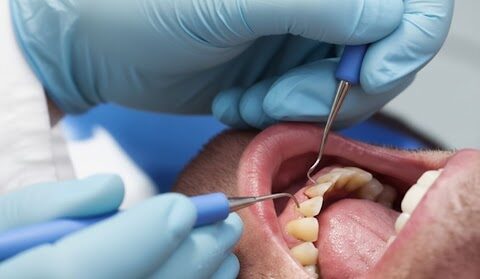
Gum disease is one of the leading causes of tooth loss, yet many people don’t realize how serious it can become. What often starts as mild gum…
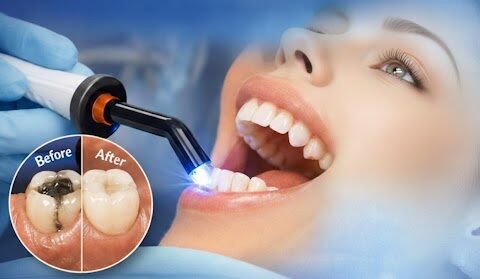
Dental cavities are one of the most common oral health problems, affecting people of all ages. Thankfully, modern dentistry offers solutions that not…