
Dental Implants: Restore Your Smile and Your Confidence
Missing teeth can affect more than just your smile. They can make eating uncomfortable, change the way you speak, and even affect the shape of your face over time. Dental implants offer a long-term solution to replace missing teeth and restore both function and appearance.
Dental implants are designed to look, feel, and function like your natural teeth. Unlike dentures, they are permanent and help protect your jawbone, which can shrink when teeth are missing. With proper care, dental implants can last a lifetime, making them one of the most reliable options for tooth replacement.
What Are Dental Implants?
A dental implant is a small titanium post that acts as a replacement for the root of a missing tooth. Once placed in the jawbone, it fuses with the bone over time, creating a strong foundation for a crown, bridge, or denture. The final result is a tooth that looks natural and functions just like your real teeth.
Benefits of dental implants include:
- Restoring your ability to chew comfortably
- Preserving jawbone structure and facial appearance
- Preventing nearby teeth from shifting
- Improving speech and overall confidence
- Providing a long-lasting solution
How Dentists Help With Dental Implants
Dentists play an essential role in the dental implant process. They ensure each step is performed safely and correctly to deliver the best results.
1. Consultation and Evaluation
Your dentist will start with a thorough examination, including:
- Reviewing your medical and dental history
- Checking jawbone strength using X-rays or 3D scans
- Discussing your goals and expectations
This helps determine whether you are a good candidate for implants and allows your dentist to create a personalized treatment plan.
2. Tooth Removal and Preparation
If the damaged tooth is still present, your dentist will carefully remove it. In some cases, a bone graft may be needed to ensure your jaw is strong enough to support the implant.
3. Implant Placement
The dentist surgically places the titanium implant into your jawbone. Over the next few months, the bone naturally fuses with the implant in a process called osseointegration. This creates a stable base for your replacement tooth.
4. Attaching the Abutment
Once the implant has fused with the jawbone, the dentist attaches an abutment. This small connector securely attaches the new crown or prosthetic tooth to the implant.
5. Placement of the Crown or Prosthetic Tooth
Finally, the dentist places a custom-made crown or prosthetic tooth over the abutment. The dentist ensures it matches the surrounding teeth in color, shape, and size, giving a natural, seamless look.
Who Can Benefit From Dental Implants?
Dental implants are suitable for most adults who:
- Have one or more missing teeth
- Have enough jawbone density (or are willing to have a bone graft)
- Practice good oral hygiene
- Do not have uncontrolled medical conditions that could affect healing
Even people with dentures or multiple missing teeth can benefit from implant-supported solutions for improved comfort and stability.
Caring for Dental Implants
Dental implants require the same care as natural teeth. Proper maintenance will help them last for decades.
- Brush at least twice a day with a soft-bristle toothbrush
- Floss once a day, making sure to clean around the implant
- Visit your dentist regularly for check-ups and professional cleanings
- Avoid smoking, which can affect healing and the success of the implant
With consistent care, dental implants can remain strong and functional for a lifetime.
Frequently Asked Questions
Q: Is getting an implant painful?
A: Most patients feel little to no discomfort during surgery because local anesthesia or sedation is used. Post-procedure soreness is normal and can be managed with pain medication.
Q: How long does the entire process take?
A: From implant placement to the final crown, the process can take several months, depending on healing time and any preparatory procedures like bone grafts.
Q: Will my implant look natural?
A: Yes. Crowns are custom-made to match your existing teeth in shape, size, and color, so implants blend seamlessly.
Q: Can anyone get an implant?
A: Most adults can, but your dentist will first treat any dental issues like gum disease or decay to ensure the implant is successful.
Why Choosing a Dentist Matters
Dental implants require careful planning and skill. A dentist ensures the procedure is done safely and accurately, monitors healing, and guides you in long-term care. Proper placement, quality materials, and professional follow-up care are essential to the success and longevity of implants.
Success rates for dental implants are high, often over 95%, when placed by an experienced dentist and maintained properly.
Your Path to a Confident, Functional Smile
Dental implants are more than a cosmetic solution; they restore oral function, protect your jawbone, and give you a smile you can be proud of. With the guidance of a skilled dentist, dental implants can improve your quality of life by making eating, speaking, and smiling easier and more comfortable.
Whether you are missing a single tooth or multiple teeth, dental implants offer a reliable and natural-looking solution that can last a lifetime. By taking the first step and consulting with the best periodontist in Houston, you are investing in your oral health and confidence for years to come.
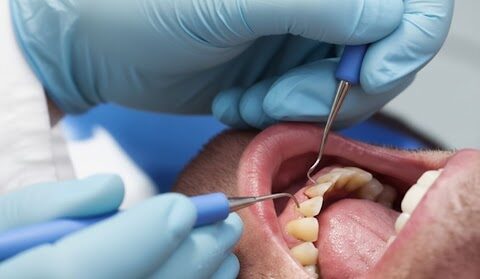
Gum disease is one of the leading causes of tooth loss, yet many people don’t realize how serious it can become. What often starts as mild gum…
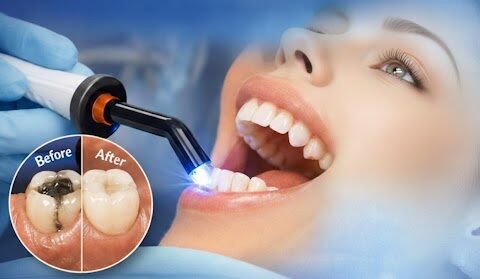
Dental cavities are one of the most common oral health problems, affecting people of all ages. Thankfully, modern dentistry offers solutions that not…