
Healthy Gums, Strong Smile: Your Complete Guide to Periodontal Disease Treatment
Your gums do more than frame your smile; they are the foundation of your oral health. Healthy gums support teeth, protect against infection, and even influence your overall well-being. Periodontal disease, if left untreated, can lead to gum recession, tooth loss, and contribute to systemic health issues such as heart disease and diabetes. Understanding how to prevent, detect, and treat gum disease is essential for maintaining a confident, healthy smile throughout life.
Why Healthy Gums Are Critical
Gums anchor your teeth, protect the underlying jawbone, and act as a barrier against harmful bacteria. When gum tissue becomes inflamed or infected, it can lead to conditions ranging from gingivitis (mild inflammation) to periodontitis (advanced disease).
According to the Centers for Disease Control and Prevention (CDC), nearly 47% of adults over 30 show signs of periodontal disease. Despite its prevalence, gum disease is largely preventable and manageable when detected early.
Unchecked periodontal disease can lead to:
- Tooth mobility or loss
- Gum recession and bone deterioration
- Chronic bad breath
- Increased risk of heart disease, diabetes, and pregnancy complications
Early intervention, combined with proper oral hygiene and professional care, significantly reduces these risks.
Preventive Care: Stop Gum Disease Before It Starts
Preventing periodontal disease is always better than treating it. The right combination of professional care and home practices forms the backbone of gum health.
| Service | Purpose | Frequency |
|---|---|---|
| Routine Dental Exams | Detect early signs of inflammation or infection | Every 6 months |
| Professional Cleanings | Remove plaque and tartar buildup that brushing can’t reach | Every 6 months |
| Brushing & Flossing | Daily disruption of bacterial growth along the gumline | Daily |
| Antimicrobial Mouth Rinses | Reduce harmful bacteria | As recommended |
Case Example: A patient with early gum inflammation started regular dental check-ups, professional cleanings, and followed daily home care routines. Within a year, their gum tissue returned to a healthy state, avoiding progression to periodontitis.
Key Takeaway: Consistency is critical. Prevention reduces the need for invasive treatments and preserves long-term oral health.
Understanding Periodontal Disease
Periodontal disease progresses in stages, making early detection essential:
1. Gingivitis:
- Mild gum inflammation
- Red, swollen, or bleeding gums
- Reversible with proper hygiene and professional cleaning
2. Early Periodontitis:
- Mild bone loss around teeth
- Deepening gum pockets
- Requires professional treatment to prevent progression
3. Moderate to Advanced Periodontitis:
- Significant bone and tissue loss
- Gum recession
- Tooth mobility
- Often requires surgical intervention
Recognizing the signs early, such as persistent bleeding, swelling, or sensitivity, can save your teeth and prevent costly treatments.
Treatment Options: Take Control of Gum Health
When periodontal disease is detected, effective treatment can halt progression and restore gum health. The approach depends on the severity of the disease:
1. Scaling and Root Planing
- What it is: A deep cleaning below the gumline to remove plaque, tartar, and bacterial toxins
- Purpose: Reduces inflammation and helps gums reattach to teeth
- Frequency: Often completed in one or two sessions, with follow-up visits for monitoring
2. Antibiotic Therapy
- Topical or oral antibiotics help control bacterial infection
- Often used in combination with deep cleaning procedures
- Goal: Reduce microbial load and inflammation
3. Surgical Interventions
For advanced cases, procedures may include:
- Flap Surgery: Lifts gums to remove tartar and reshape tissue
- Gum Grafts: Restore receded gum tissue
- Bone Grafting: Repair lost jawbone to support teeth
Example:
A 50-year-old patient with moderate periodontitis underwent scaling, root planing, and targeted antibiotics. Over six months, gum inflammation decreased, bone loss stabilized, and follow-up maintenance visits preserved long-term oral health.
Supporting Treatments at Home
Professional care is only one part of the solution. Daily habits at home are equally critical:
- Brush twice daily with a soft-bristle toothbrush
- Floss once daily to remove plaque between teeth
- Use antimicrobial or fluoride mouth rinses as advised
- Avoid tobacco products, which significantly increase gum disease risk
- Maintain a balanced diet, rich in vitamins C and D, calcium, and antioxidants to support gum health
Fact: Studies show patients adhering to proper oral hygiene routines have up to 60% fewer gum flare-ups than those who neglect home care.
Regular Monitoring: Keep Gum Disease in Check
Even after treatment, periodontal disease requires ongoing monitoring. Maintenance visits every 3–6 months help detect early recurrence, allow timely interventions, and preserve both gum and tooth health.
Pro Tip: Schedule cleanings and check-ups consistently, even if your gums feel healthy. Periodontal disease can progress silently, making proactive care essential.
Lifestyle and Systemic Health Considerations
Gum health is closely linked to overall health. Conditions such as diabetes, cardiovascular disease, and hormonal changes can exacerbate periodontal disease. Lifestyle choices like smoking, poor diet, and stress also affect gum tissue.
Tips to Protect Your Gums:
- Control blood sugar if diabetic
- Maintain a nutritious diet rich in vitamins and minerals
- Avoid smoking or using tobacco products
- Manage stress to reduce inflammation
Healthy gums are not just about your smile; they influence your entire body.
Frequently Asked Questions
Q: How can I tell if I have gum disease?
A: Look for red, swollen, or bleeding gums, persistent bad breath, gum recession, or loose teeth. Early symptoms may be subtle, so regular dental exams are crucial.
Q: Can periodontal disease affect my overall health?
A: Yes. Research links untreated gum disease with cardiovascular disease, diabetes, and pregnancy complications.
Q: Is treatment painful?
A: Modern periodontal procedures are designed for comfort. Local anaesthesia and sedation options make treatments safe and virtually pain-free.
Q: How long does treatment take?
A: Simple cases can be managed in one or two dental visits, while advanced cases may require several months of treatment and follow-up care.
Building Lifelong Gum Health
Maintaining healthy gums is a combination of professional dental care, home routines, and lifestyle choices. Patients who embrace this holistic approach enjoy:
- Strong, stable teeth
- Reduced risk of tooth loss
- Fewer dental procedures in the future
- Increased confidence in their smile
Healthy gums are an investment in both your oral and overall health. With early detection, consistent care, and lifestyle mindfulness, gum disease can be effectively managed or even prevented entirely.
The Path to Lasting Gum Health and a Strong Smile
Your smile reflects more than confidence; it reflects the health of your gums. Periodontal disease treatment is not just about addressing problems; it’s about creating a strong foundation for long-term oral health.
By combining professional care, preventive strategies, and daily home routines, you can stop gum disease in its tracks, protect your teeth, and enjoy a healthy, radiant smile for life. With guidance from the best periodontist in Houston, taking proactive steps today ensures your gums and your smile remain strong, vibrant, and resilient for decades to come.
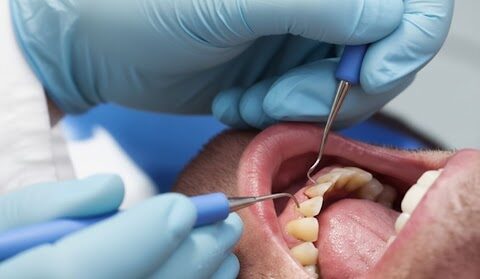
Gum disease is one of the leading causes of tooth loss, yet many people don’t realize how serious it can become. What often starts as mild gum…
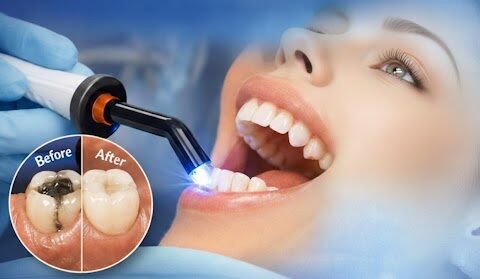
Dental cavities are one of the most common oral health problems, affecting people of all ages. Thankfully, modern dentistry offers solutions that not…